Assistance needed
It detects anyone motionless or behaving unusually in the water and raises an alert.
AI-Powered Coastal Safety Platform
Reads beach cameras and weather data together. It alerts the lifeguard team within seconds about drowning risk, restricted-zone breaches and dangerous waves.
The problem
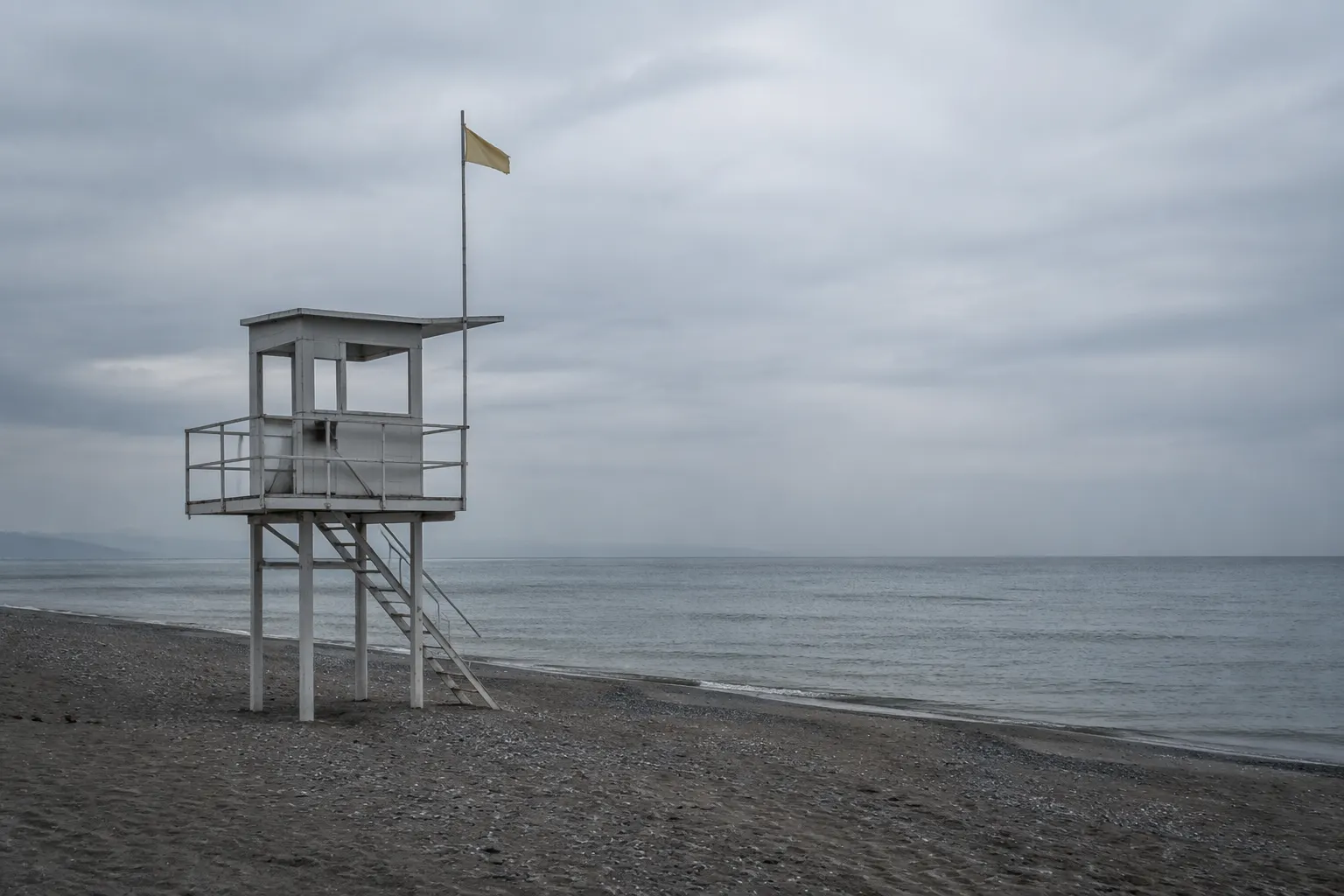
Drowning is quiet. Most of the time there is no shouting or arm-waving like in films. A person can slip under in thirty seconds. No lifeguard can physically watch hundreds of metres of beach at the same time.
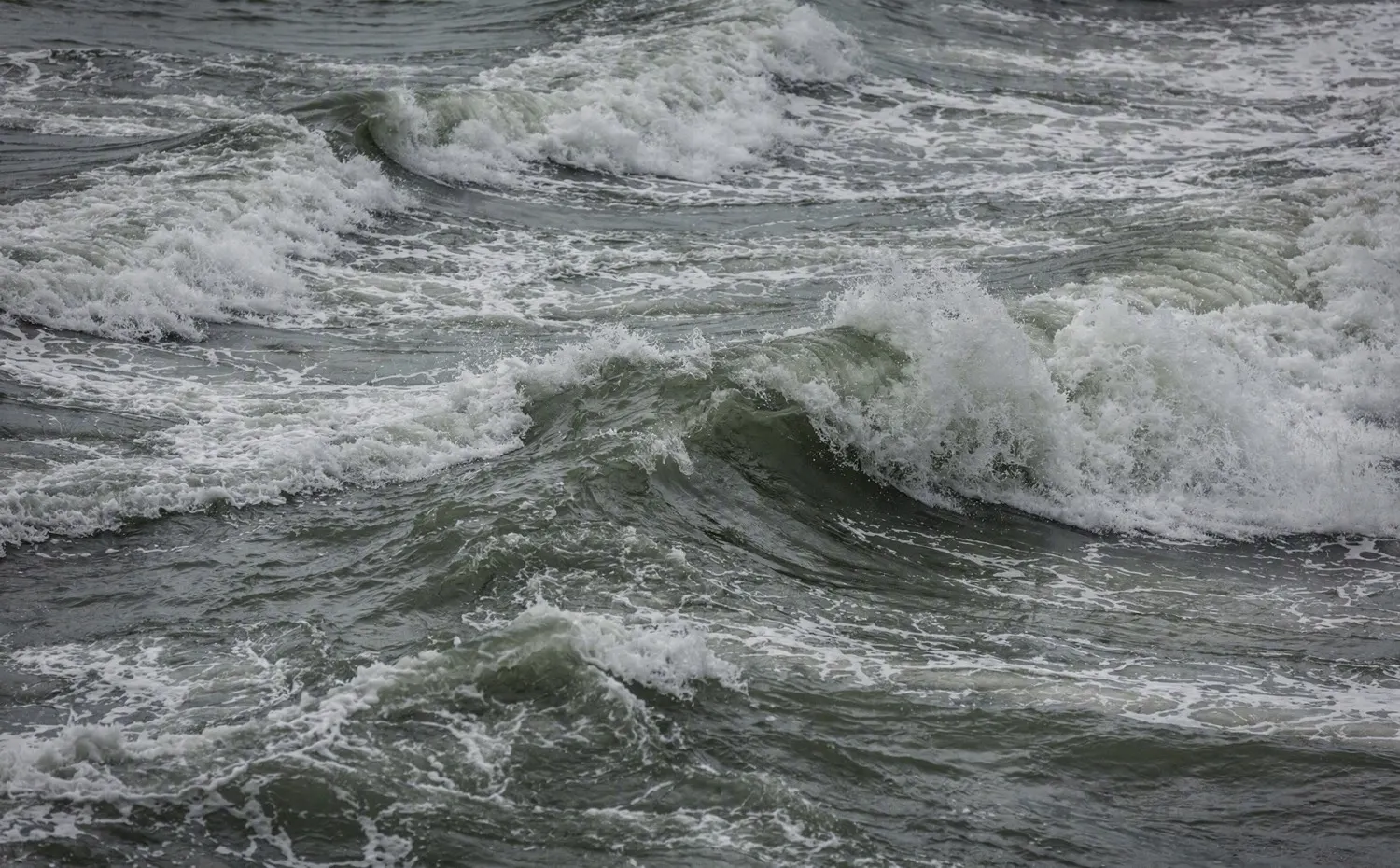
Risk does not only come from people: wave height, currents and weather can change within hours. This data is already measured, but it does not reach the beach team in time.
What it detects
It detects anyone motionless or behaving unusually in the water and raises an alert.
It instantly reports entry into areas closed due to currents or rocks.
It raises a priority alert when a child approaches the water without an adult nearby.
It flags overcrowded areas and helps you deploy your team.
It detects boats, jet skis and other vehicles entering the swimming area.
It automatically recommends a flag colour from wave height and wind data.
Who is it for
Beaches where crowds grow in season but lifeguard numbers stay fixed.
Businesses responsible for their own coastline that must log incidents as they happen.
Security teams forced to estimate crowds and foot traffic by eye.
Sample run · no real data
How it works
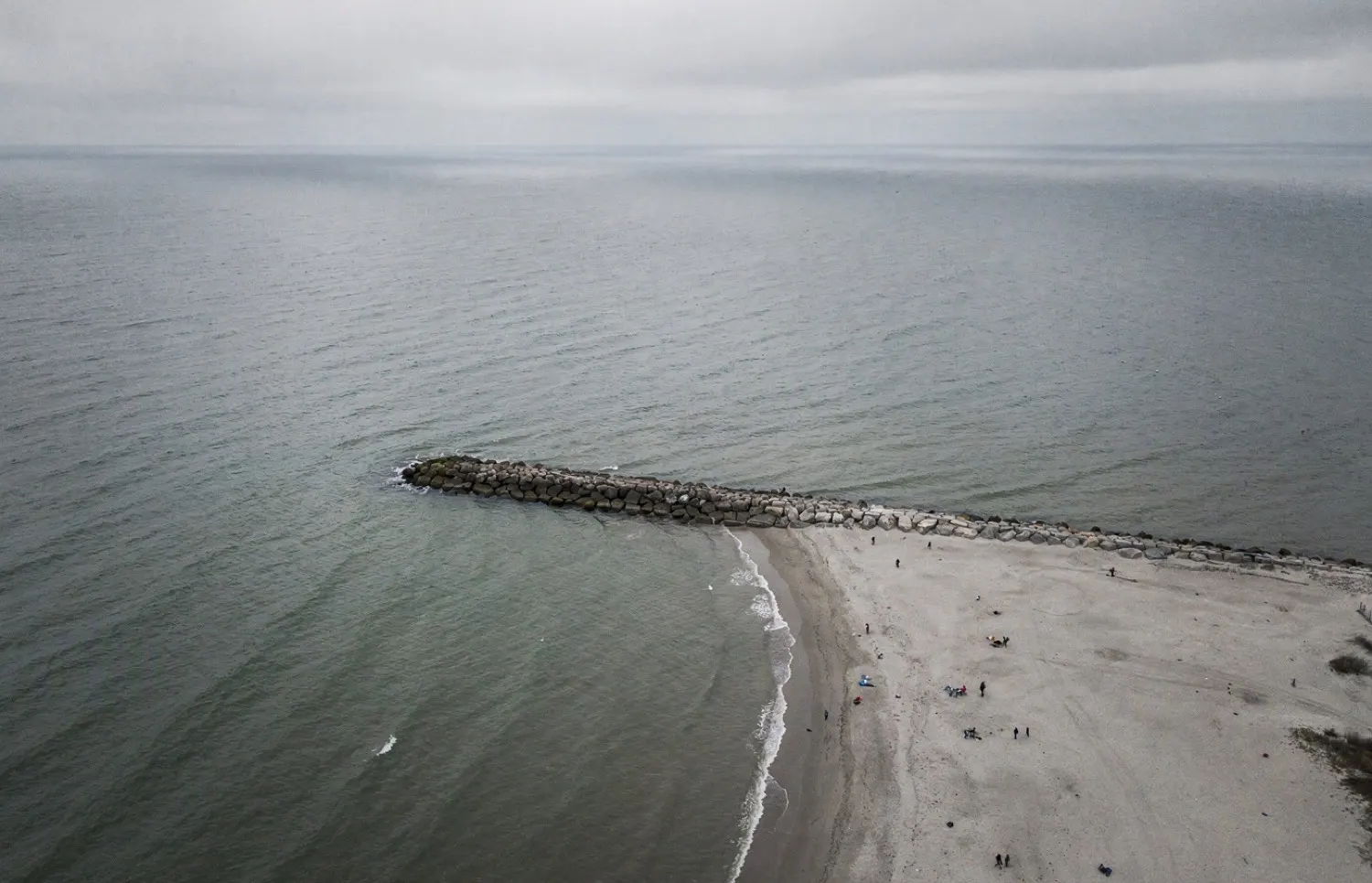
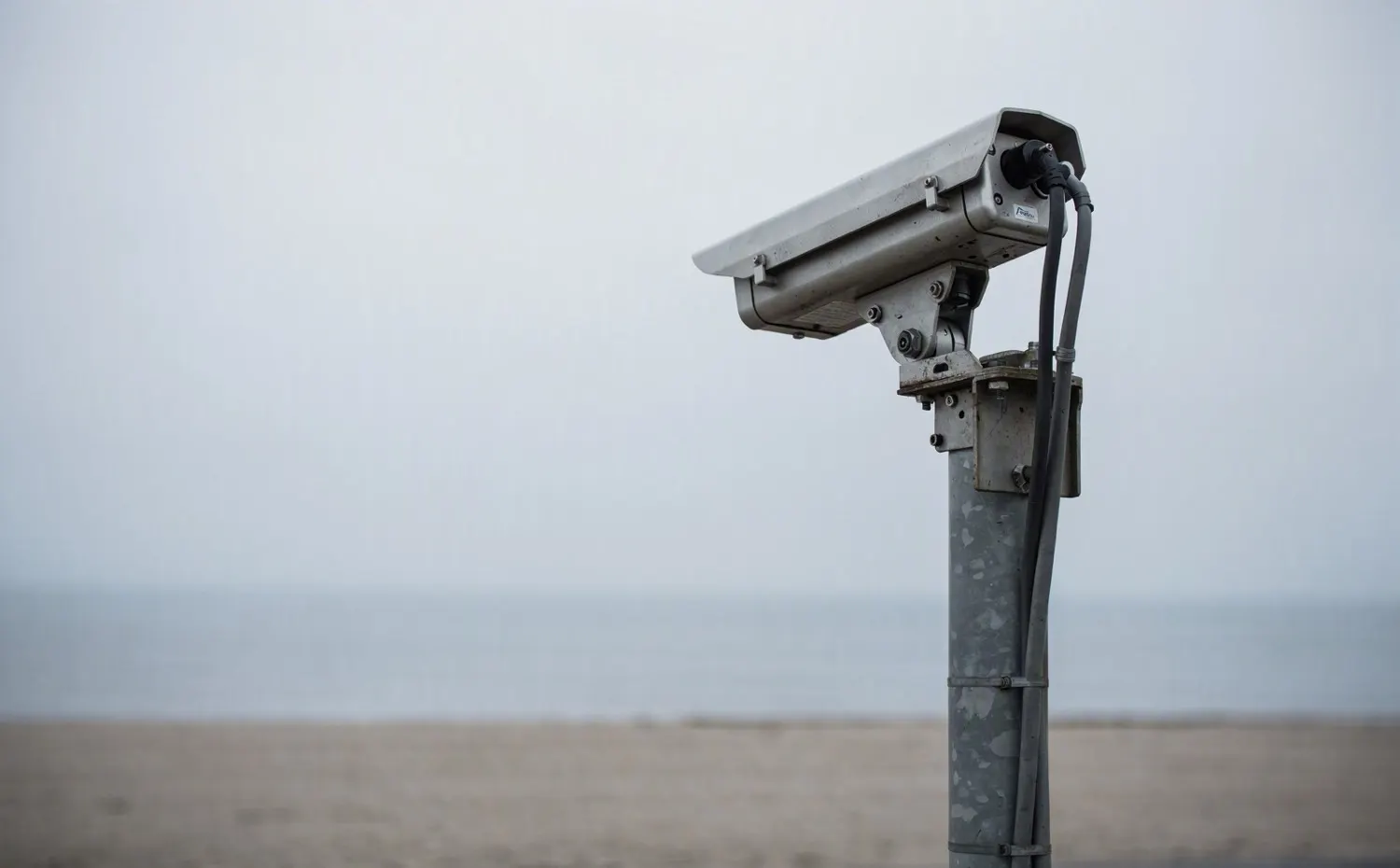
Connect a Jetson device to existing beach cameras. No extra cameras needed.
Mark swimming areas, restricted zones and crowd thresholds on the map.
Video is processed on site. Weather and wave data appear on the same screen.
When risk appears, the lifeguard gets an alert by radio and mobile app.
Technology
Camera feeds are processed on the on-site Jetson device through NVIDIA DeepStream. Beach internet is weak, so relying on the cloud does not work. Models are accelerated with TensorRT. Weather and wave data from meteorology services appears on the same screen.
Gallery
FAQ
It does not replace anyone. It gives them more eyes. People still decide and intervene. The system only flags the area that needs attention.
It works with a thermal camera. Night accuracy drops with a standard camera, and we tell you that clearly before setup.
From weather services. It evaluates wave and wind data with the camera feed. They only make sense together, not separately.
It reaches the radio, phone, and tower screen at the same time. The system records the camera and exact second behind the alert.
No, it is still in development. We are discussing a pilot before the season.
Contact
Tell us in one sentence. We will explain what you need and how long it will take.